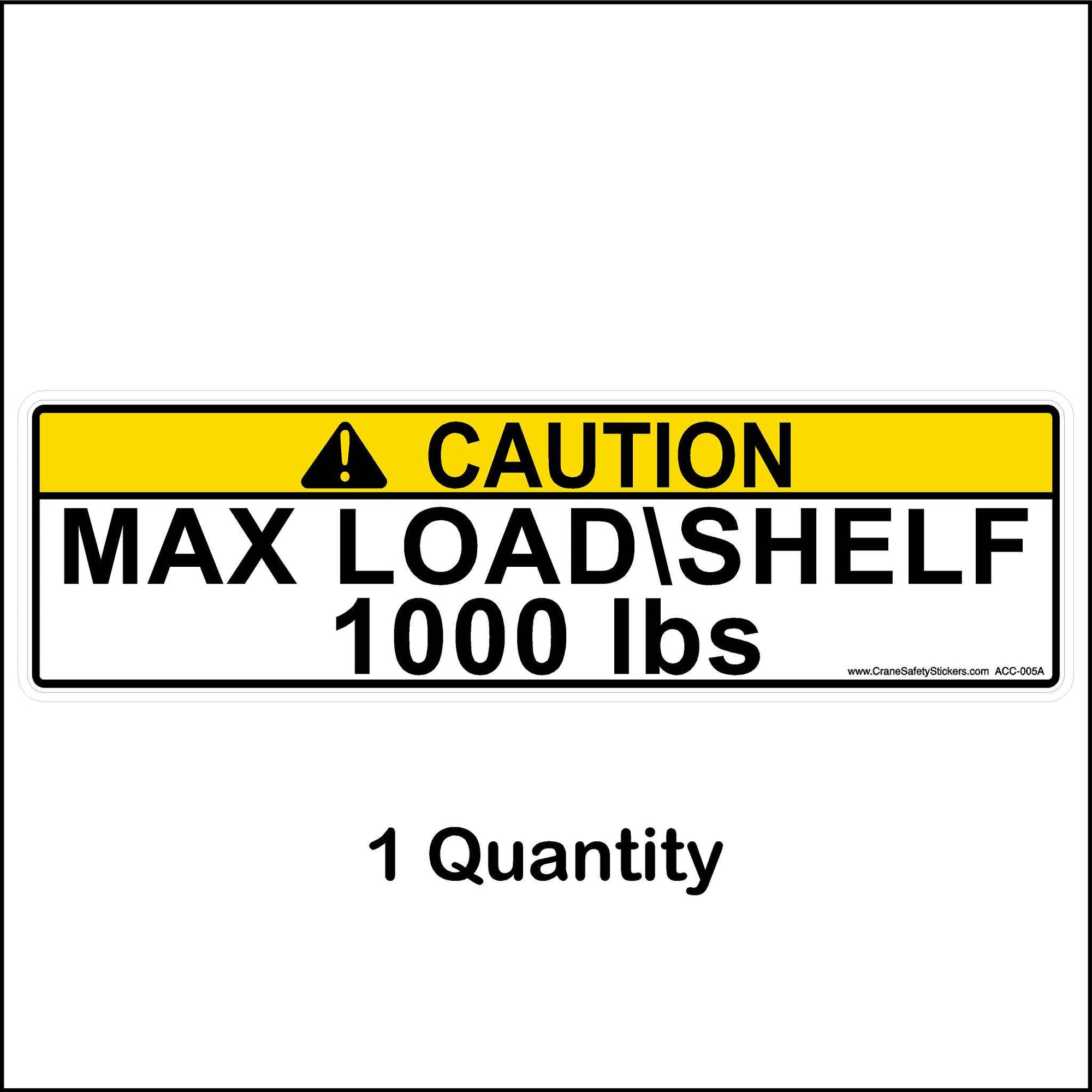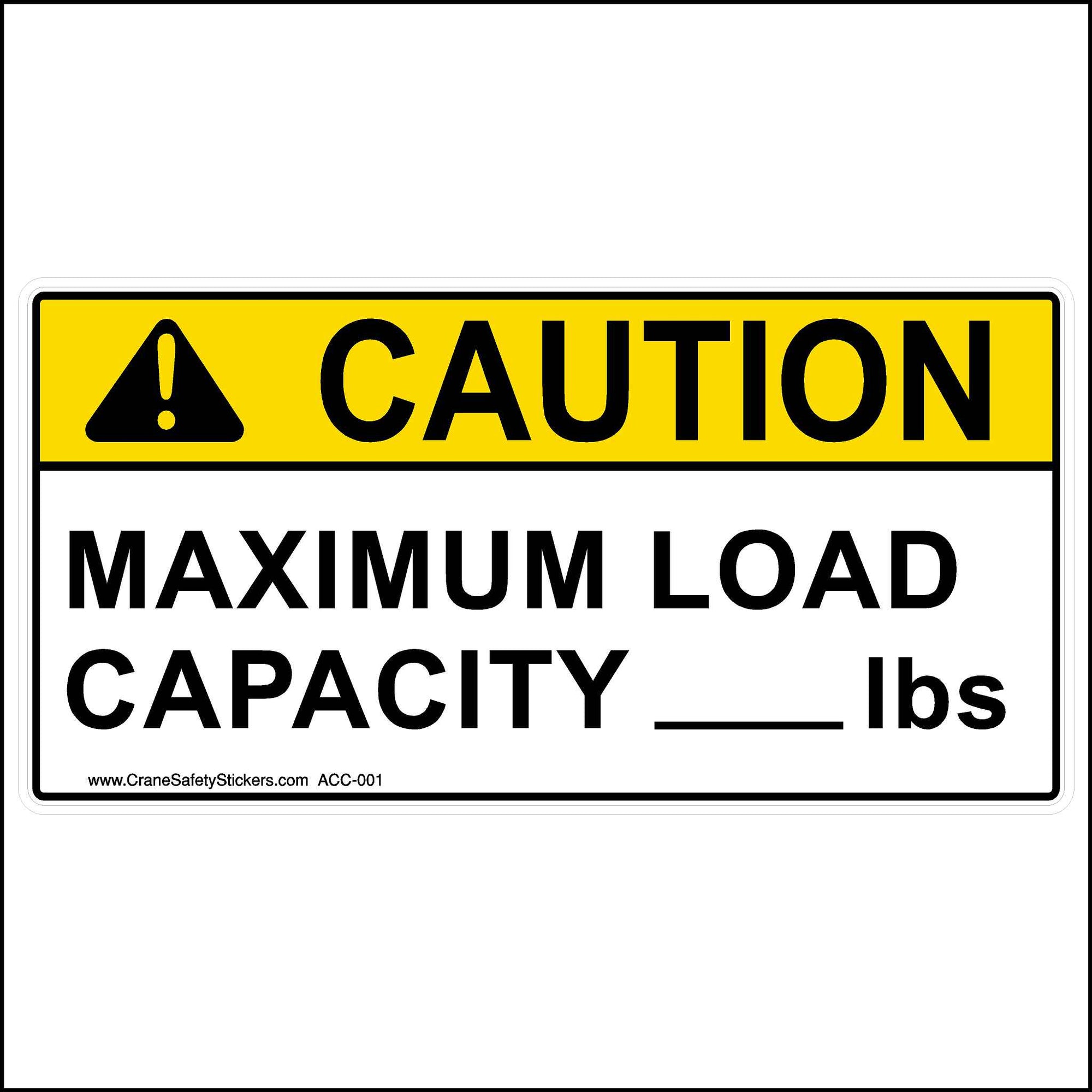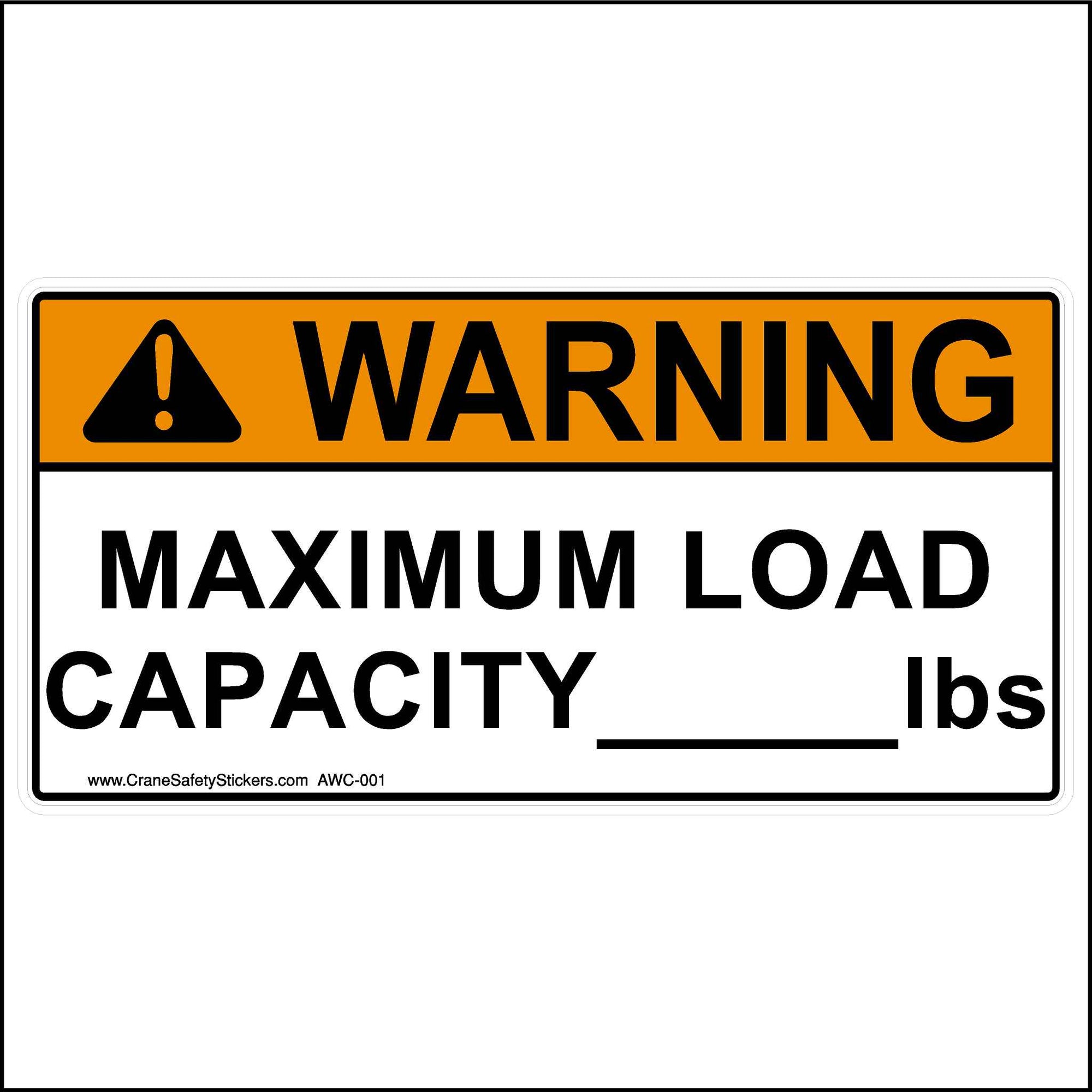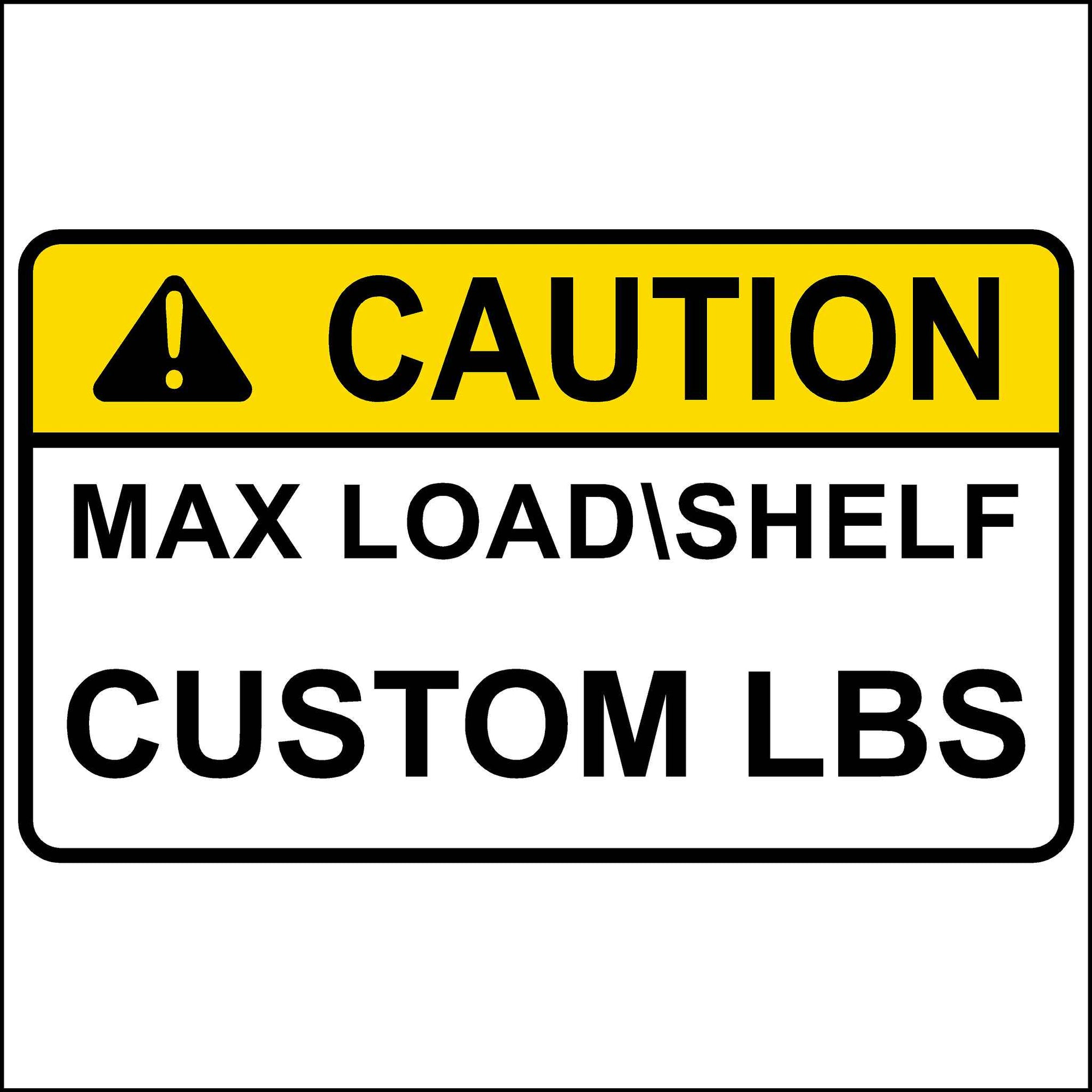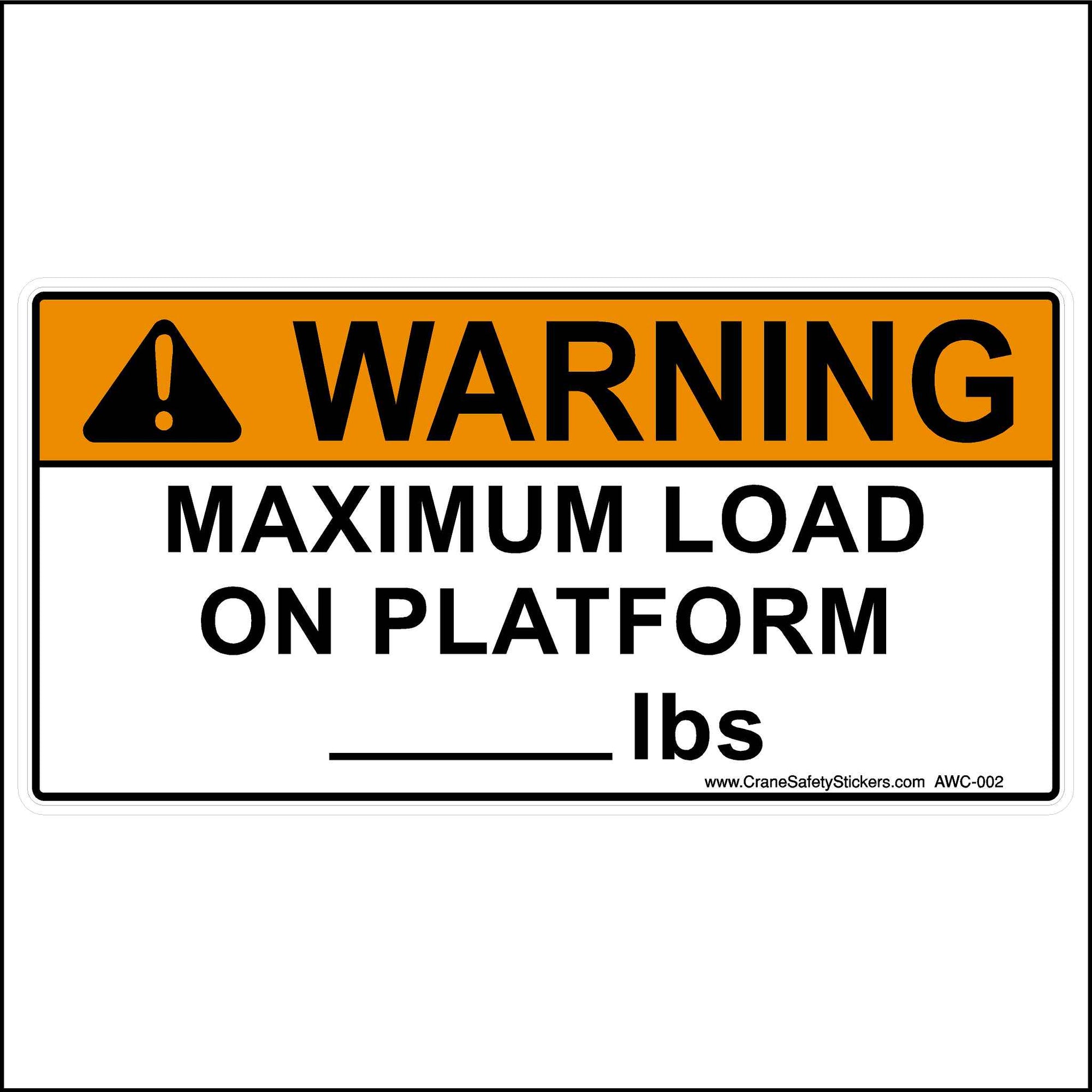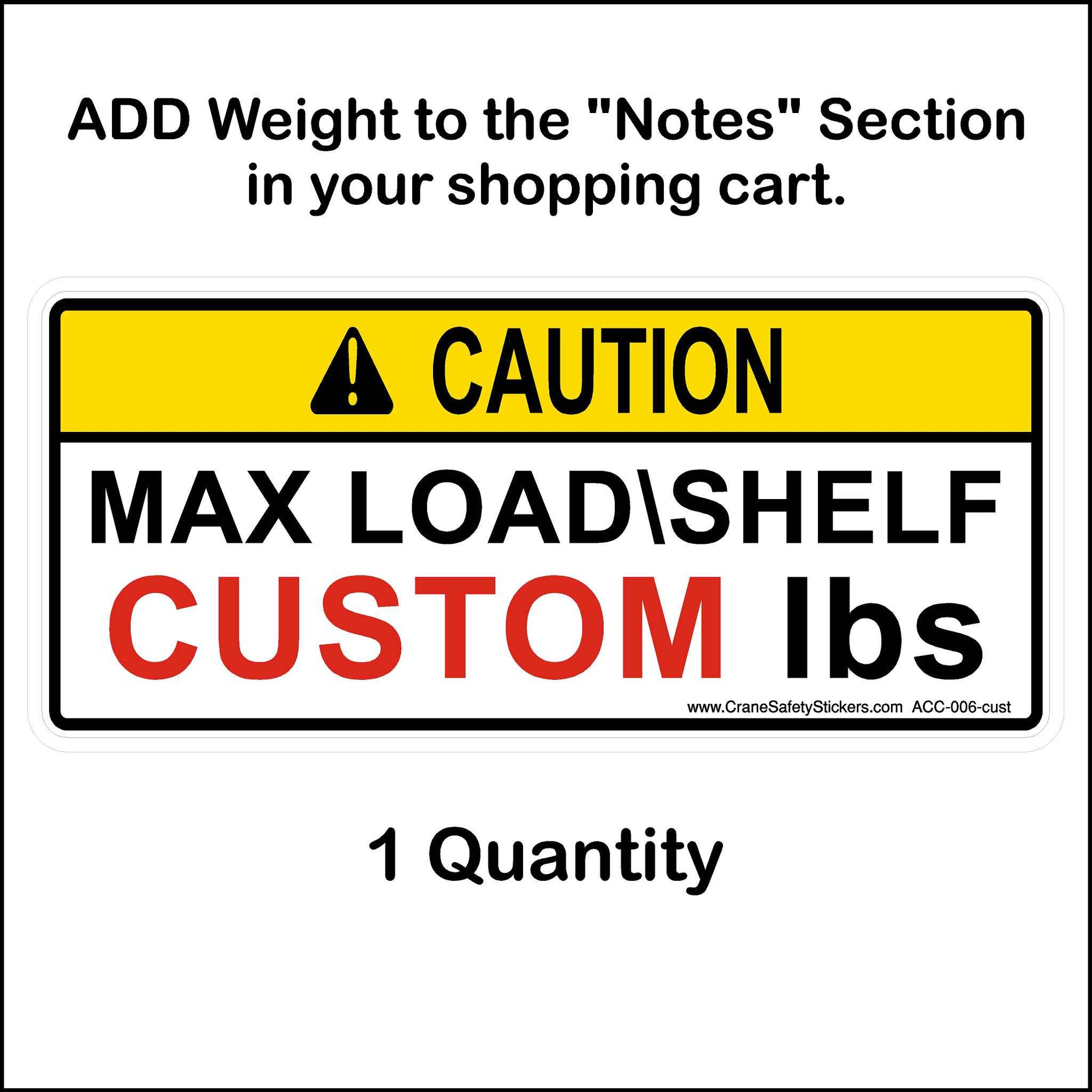

Don't gamble with safety. Protect your employees, inventory, and bottom line with our durable, OSHA-compliant pallet rack weight capacity labels. A rack collapse can cost tens or hundreds of thousands in damages and lost productivity. For a minimal investment, our labels provide clear, visible load information, helping you avoid accidents and maintain a safe and compliant warehouse. Meets or exceeds OSHA 1910.176(b) standards. Industrial-grade vinyl resists abrasion, chemicals, and UV fading.
Pallet rack weight capacity labels are critical components of warehouse safety and regulatory compliance. These labels clearly display the maximum load-bearing capacity of your pallet racking system, preventing overloading and potential structural failures. Compliance with OSHA 1910.176(b) mandates that all pallet racks are clearly marked with load limits, making these labels not just a best practice, but a legal requirement. Choosing the right labels, understanding how to calculate load capacity, and ensuring proper installation are vital for maintaining a safe and efficient warehouse operation.
Selective Rack Labels: For standard pallet racking systems, these labels typically indicate the maximum weight per level and per bay.
Drive-In Rack Labels: These labels require careful consideration due to the concentrated loads and unique structural considerations of drive-in racks.
Push-Back Rack Labels: Similar to drive-in racks, push-back systems necessitate precise weight calculations and clearly marked labels to prevent overloading.
Pallet Flow Rack Labels: These dynamic systems require labels that account for both static and dynamic load capacities.
Our pallet rack weight capacity labels are constructed from industrial-grade vinyl, ensuring exceptional resistance to abrasion, chemicals, and UV fading. This ensures long-term visibility and readability, even in harsh warehouse environments.
Determining pallet load capacity involves considering several factors:
Beam Capacity: Check the manufacturer's specifications for the maximum load each beam pair can support. This is influenced by the beam length and gauge of the steel. Refer to ANSI MH16.1 for engineering specifications.
Upright Capacity: The upright frame's capacity is determined by its height, depth, and bracing. Taller uprights generally have lower capacity.
Deflection Limits: Ensure that the load does not cause excessive beam deflection. A general rule of thumb is the L/180 rule, where the deflection should not exceed the beam length divided by 180.
Seismic Zone Considerations: In earthquake-prone areas, seismic zone anchoring is crucial. Consult local building codes and engineering professionals to ensure your racking system is properly anchored and braced to withstand seismic forces.
Point Loading: Take extra care when handling point loads to avoid surpassing the beam capacity.
OSHA 1910.176(b) requires that all pallet racks are clearly marked with load limits. These labels must be readily visible to forklift operators and warehouse personnel. Failure to comply can result in fines and penalties.